The slow web and the architecture of attention
Why the feed rewards the wrong instincts, and what a calmer architecture looks like.
Pick a look, then edit right on the page. The grid keeps things aligned and the theme keeps them consistent - so it stays designed no matter what you change.
showcase
the editor
Drop a component and it snaps to the grid; the type tunes itself to a baseline. The alignment a designer does by hand - even spacing, clean edges, nothing a pixel off. Move it all around and it keeps looking right. The editor goes further - themes, components, motion. It does the boring bits for you.
what you get
Make any element global - a nav, a footer, a sign-up - and it lives in one place. Change it once and every page that uses it updates.
Import pages, posts and media from your current site. Coming from Webflow? Pull your CMS collections too - with their exact field types and detail-page templates.
Build on its own address, take your time, then move your live domain onto it when it’s ready - one move, nothing to re-publish.
discoverability
 search |

 AI answers
your call
The other side of that coin: some work isn’t meant to be scraped. One switch blocks the AI crawlers across the whole site. Get found, or stay unread. Your call, not theirs.
Being found isn’t just Google anymore. People ask ChatGPT, Perplexity and Gemini the things they used to type into a search box. edition.pm writes the machine-readable layer both search and AI read, on every publish, with nothing to set up.
structured SEO
Fewer than one in eight sites emit the structured data search engines actually read. edition.pm writes it from your content: JSON-LD, a sitemap, clean meta and Open Graph, and the LocalBusiness schema that drops your hours and map straight into a Google result.
GEO
The part almost nobody automates yet. edition.pm emits clean per-page markdown and an llms.txt index, so when an AI answers a question in your field, it can cite your page instead of guessing.
the components
Twenty-one building blocks, from navs to galleries. Drag one in, drop it where you want, resize it - snap a sharp, working site together like Lego.
+ your globals and saved components
generative
the loudest component
Generative art - 14 macro-driven sketches (circles, harmonograph, truchet, contours, metaballs, phyllotaxis…), themed to your site and redrawn on every visit if you let it. This one is live - it is drawing itself right now.
text effects
Select any text, hit ✨ in the toolbar, and pick an effect - glitch, gradient, neon, wobble, 3D shadow, outline, spoiler, self-edit.
you choose what sets each one moving - a loop, scroll, hover, or click
motion
Give any element an entrance - rise, slide, scale, blur, wipe - and it plays as the reader scrolls it into frame. Pin one while the page slides past, or let a background drift behind.
scroll the page to watch it land
The platform's own entrance set - fade · rise · slide · scale · blur · cover - with the renderer's exact transitions. On the published page each plays as the reader scrolls the element into view.
a site in seconds
Choose what you’re making, choose a look, and a whole site is standing: pages, sample content, a form to fill. There are fifty-four looks, each a complete design with its own typography, color and composition.
Then make it yours. Every design has its own tuning dials, and everything on the page is editable. Change your mind later - switch the look and your words, records and pages come along. Or skip all of it and start blank.
try it: pick a kind, pick a look →
showcase
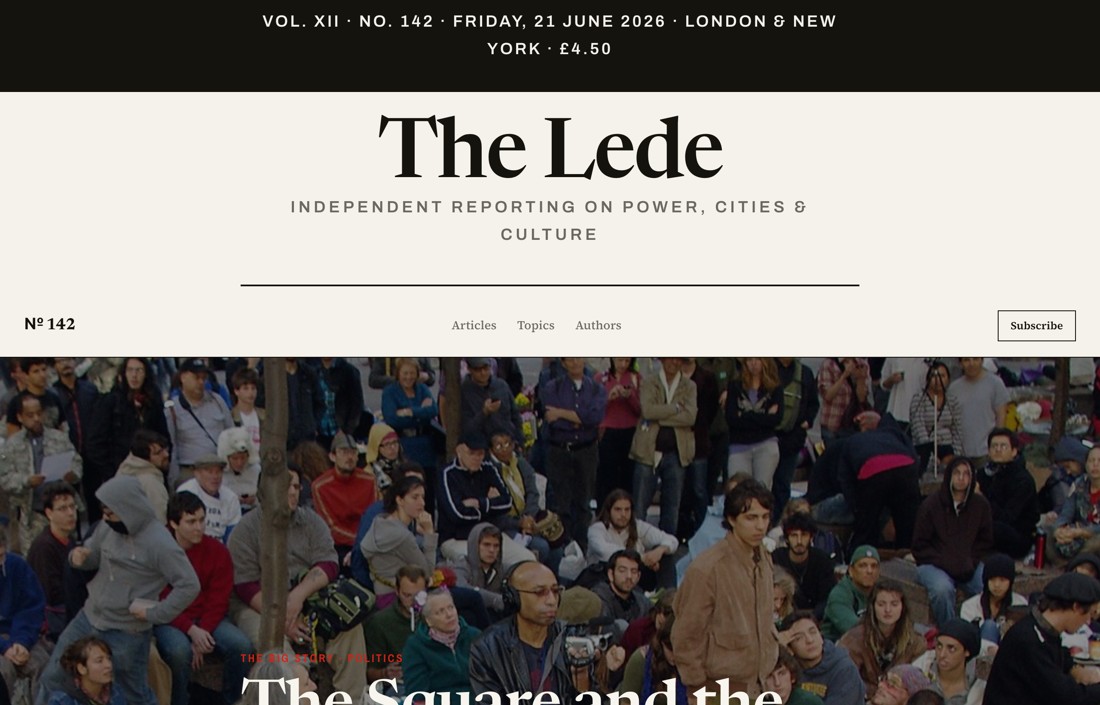
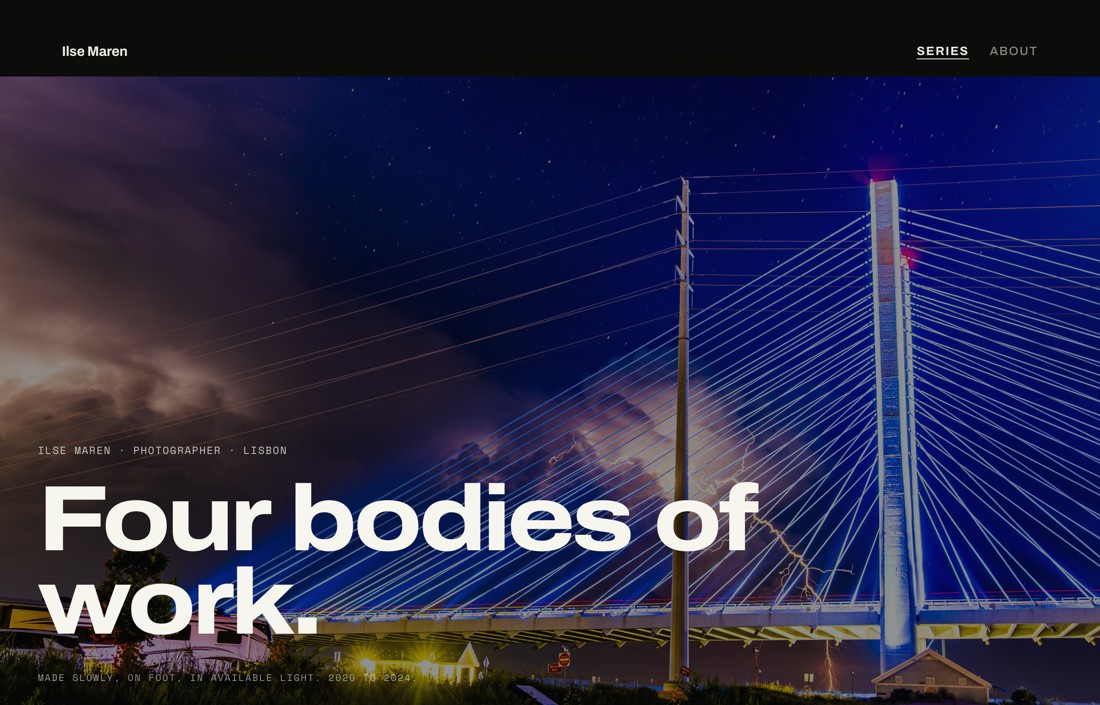
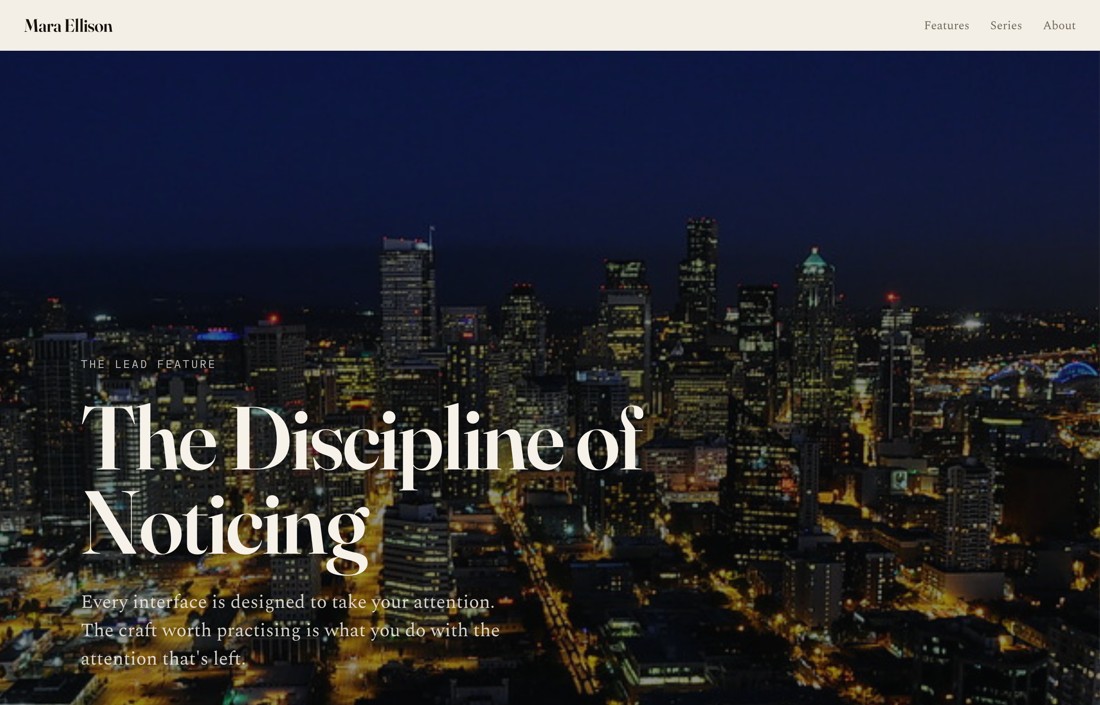
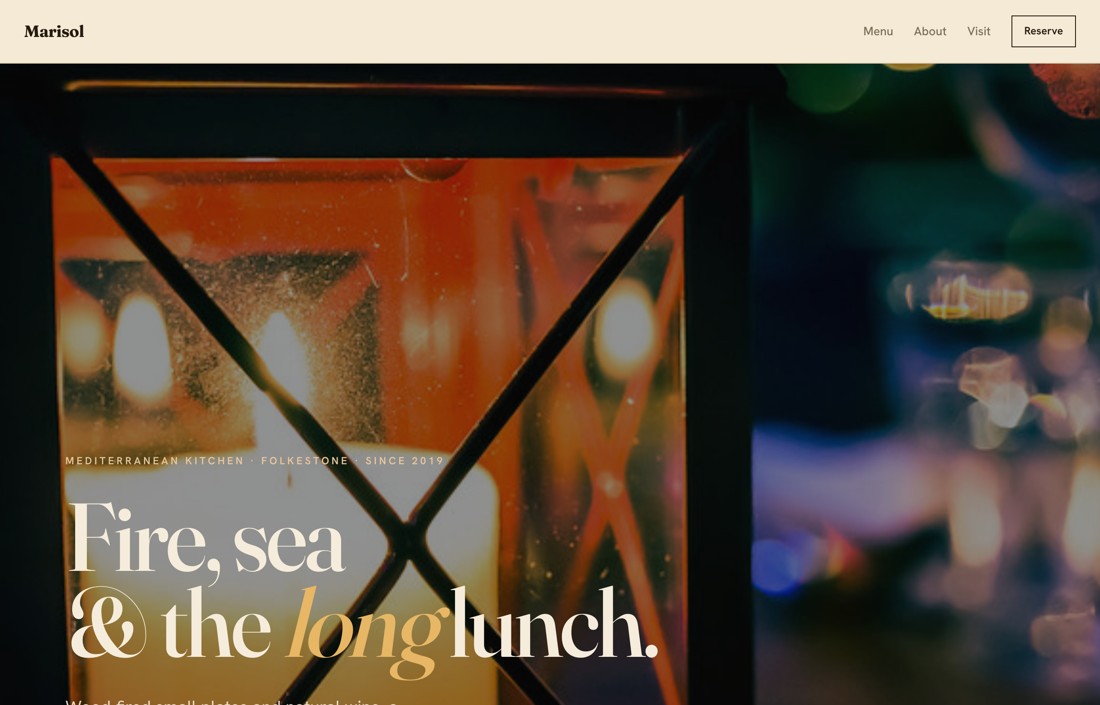
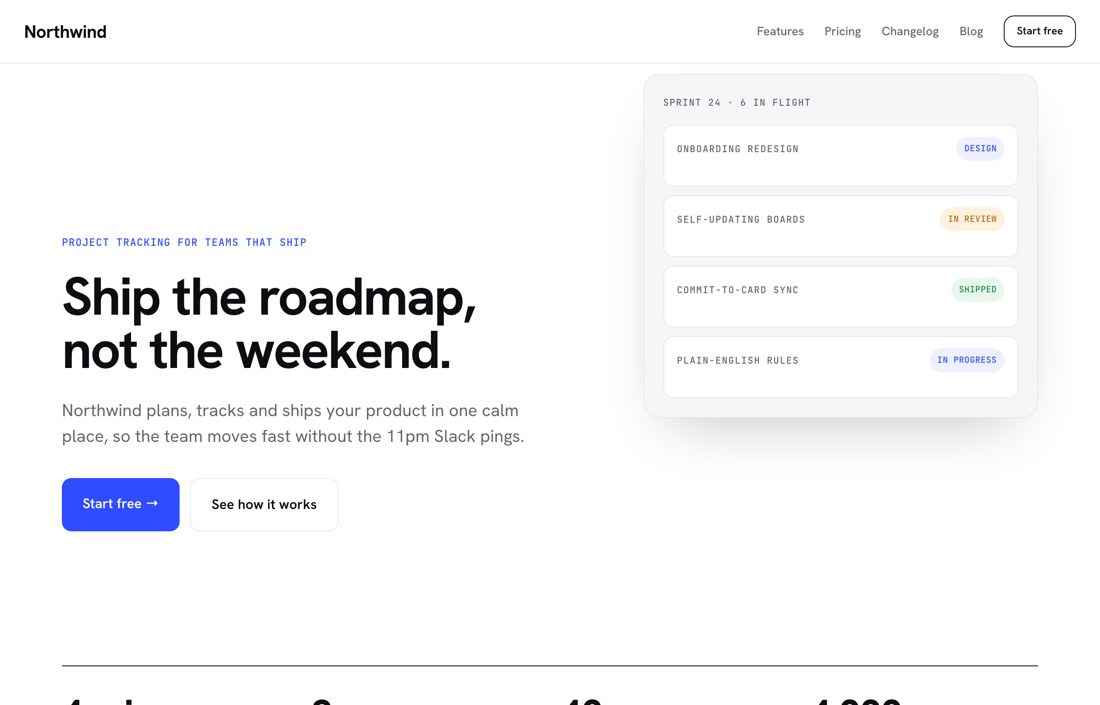
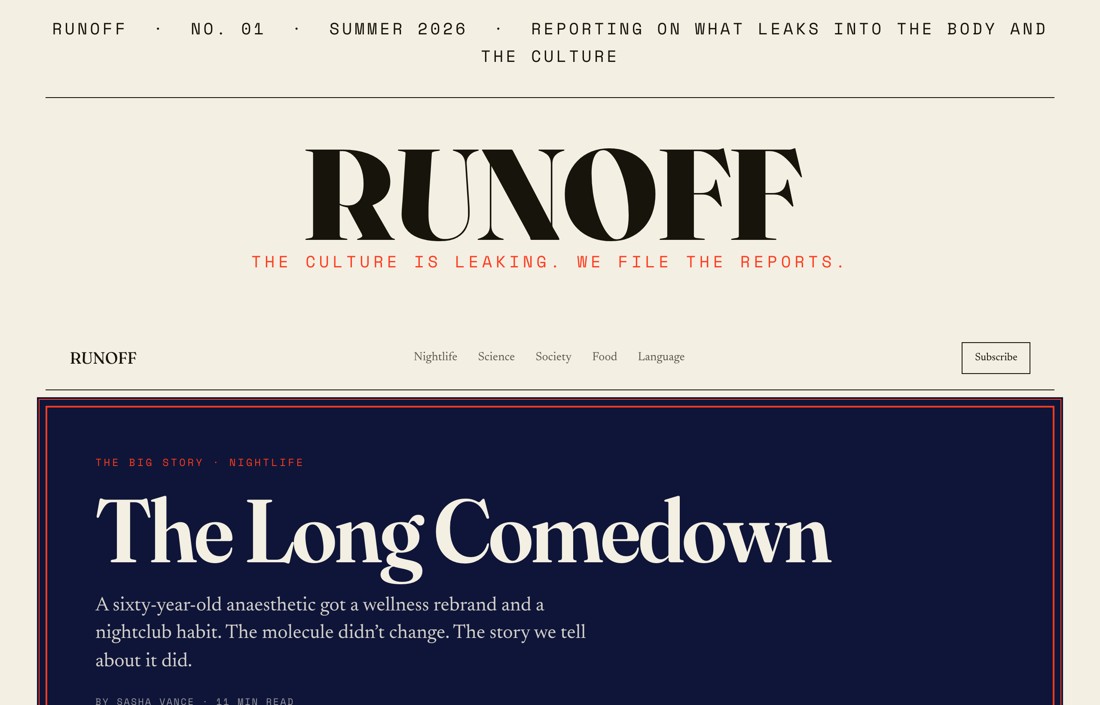
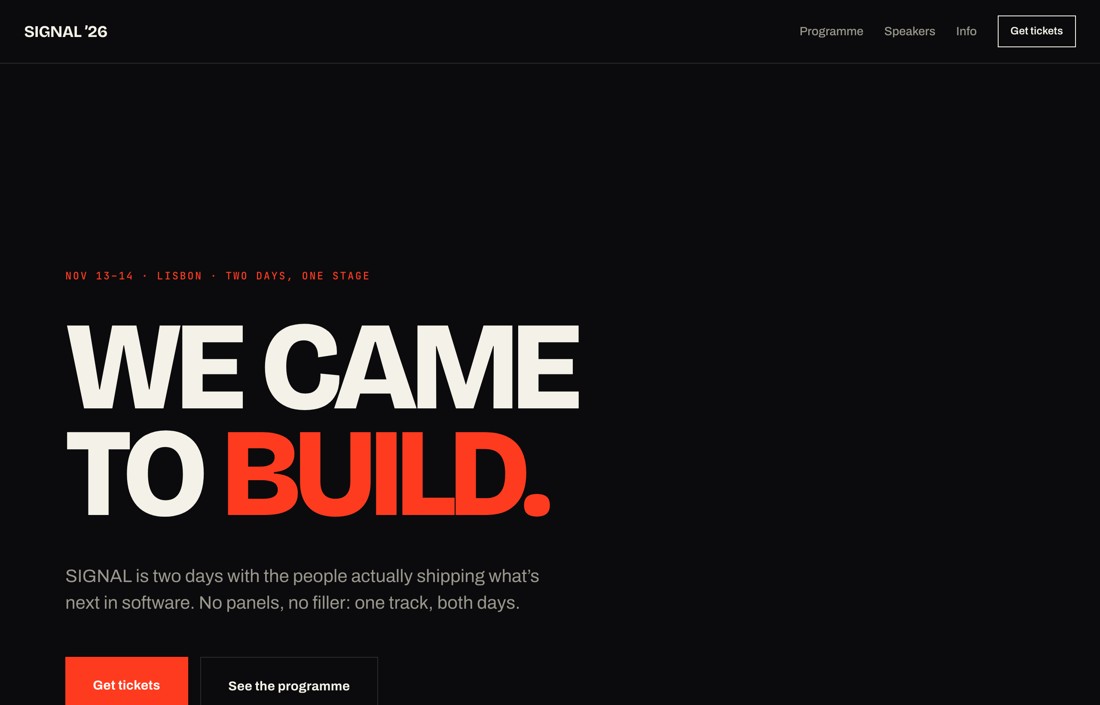
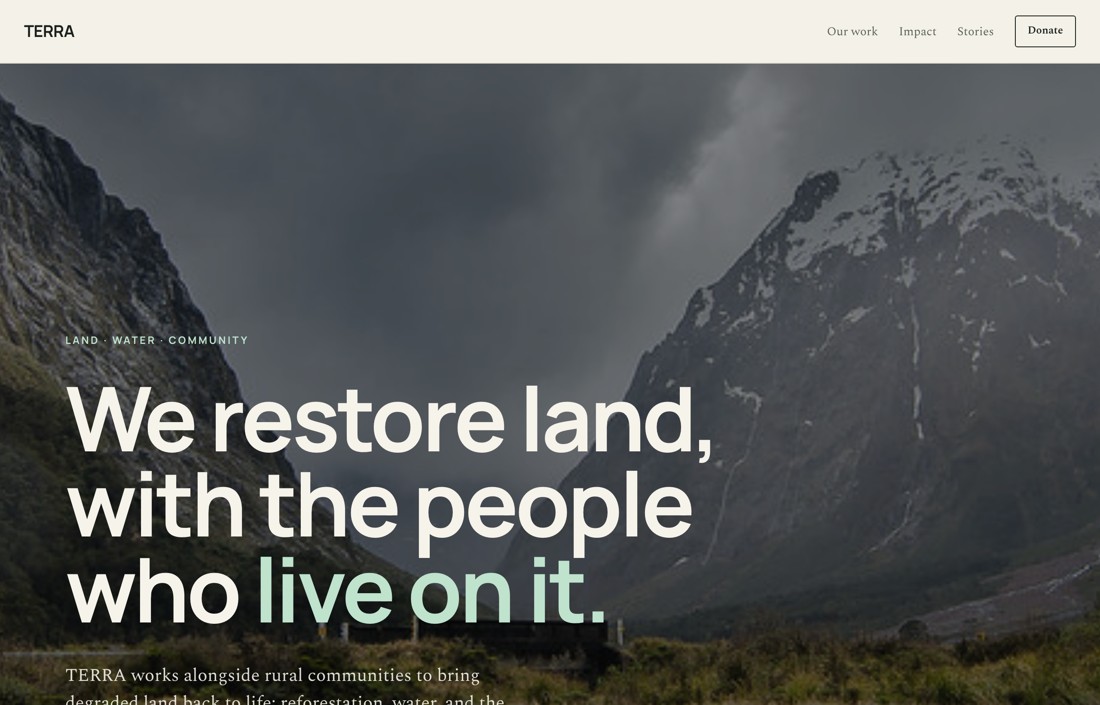
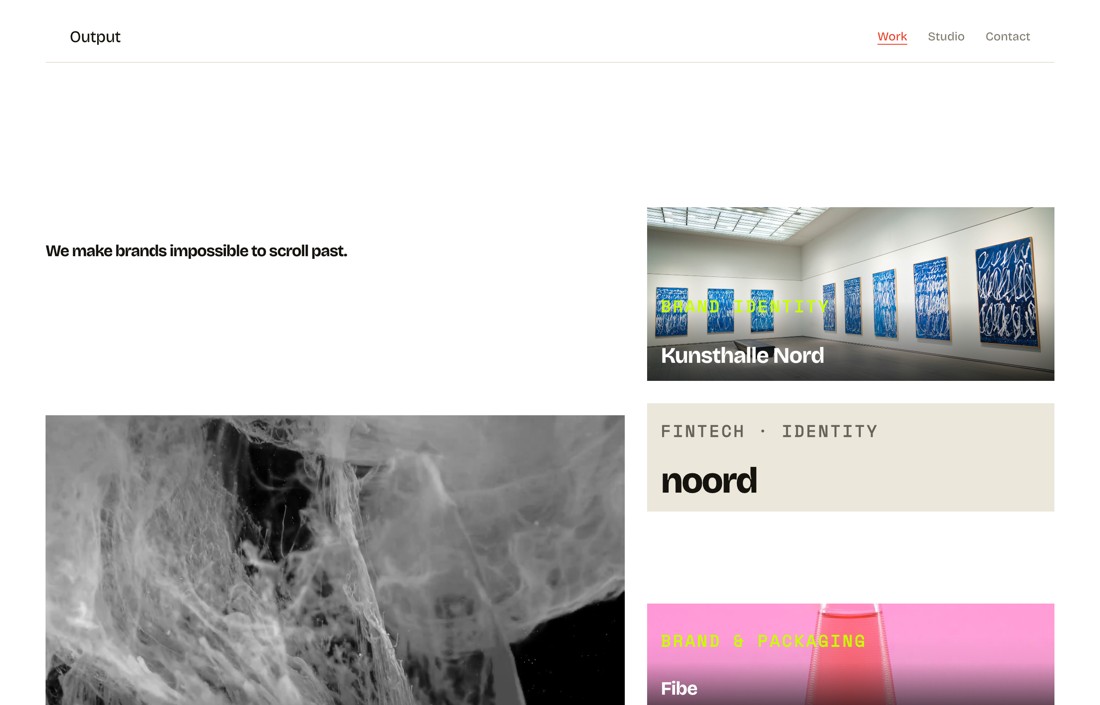
Nine sites we built to show the range - a magazine, a studio, a portfolio, a restaurant, an event, a nonprofit. Every one made entirely in edition.pm, and no two look alike. Find one you like and clone it into your account, yours to make over.
each one’s live - go and poke at it
headless
Every site here is also a headless CMS. Issue a read-only key and your published content is JSON: the content types you defined, your records, whole composed pages. Build an app on it, feed a kiosk, hand it to someone else’s frontend.
delivery keys
The same model as Ghost or Contentful: keys are read-only and only ever see published content, so they’re safe to ship inside an app or a browser.
your types, connected
Not fixed posts-and-pages: the fields and types you defined, and a record’s references come back resolved, author profile and all.
plain JSON
Cacheable responses, no origin allowlist to configure. Anything that speaks HTTP can read it. Keys live under site settings → API.
GET /v1/collections/posts/items/the-workshop-at-night
Authorization: Bearer <your key>
{
"slug": "the-workshop-at-night",
"fields": {
"title": "The workshop at night",
"date": "2026-07-05",
"author": { "name": "R. Ochoa", "slug": "r-ochoa" }
}
}
/v1/site /v1/collections /v1/collections/{type}/items /v1/pages/{path}
get started
edition.pm is in preview, and every feature is free while it lasts - nothing held back, no card required. A workspace holds your sites and the people who work on them.
+ Connect multiple custom domains
+ Invite editors and writers to your team
+ Build multiple sites
One workspace, as many sites as you need.
New or returning - same button. No passwords to forget.